GROW FOOD ON YOUR COUNTER

Five days.
Fresh food.
Grown on your counter.

Turn a spoonful of seeds into a jar of living food in under a week — no garden, no dirt, no skill required.
Free shipping 30-day guarantee 4.7 · 800+ reviews
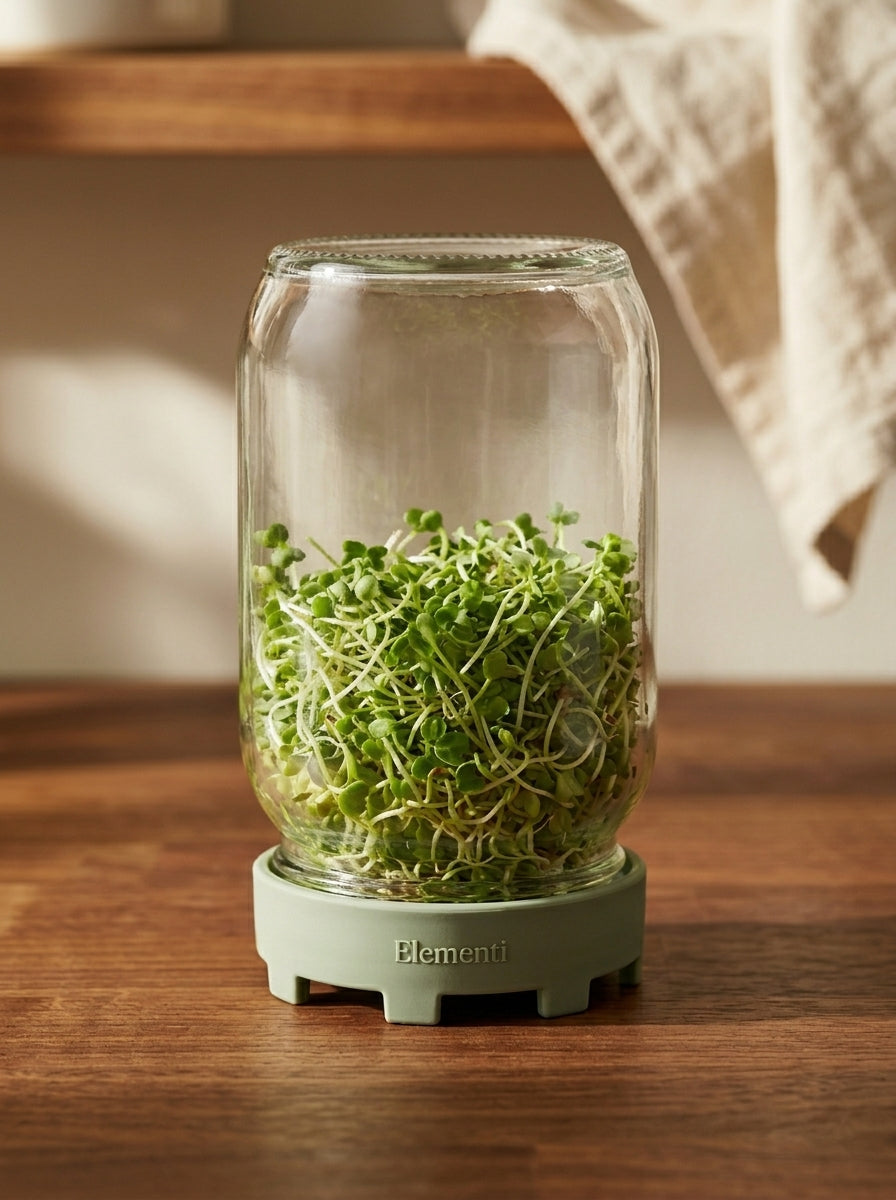
Two Elementi sprouting jars with sage-green collars on a warm wood counter
THE 5-DAY STORY

From a spoonful of seeds to a jar of food, in five days.

Rinse. Drain. Invert. That's the whole routine.
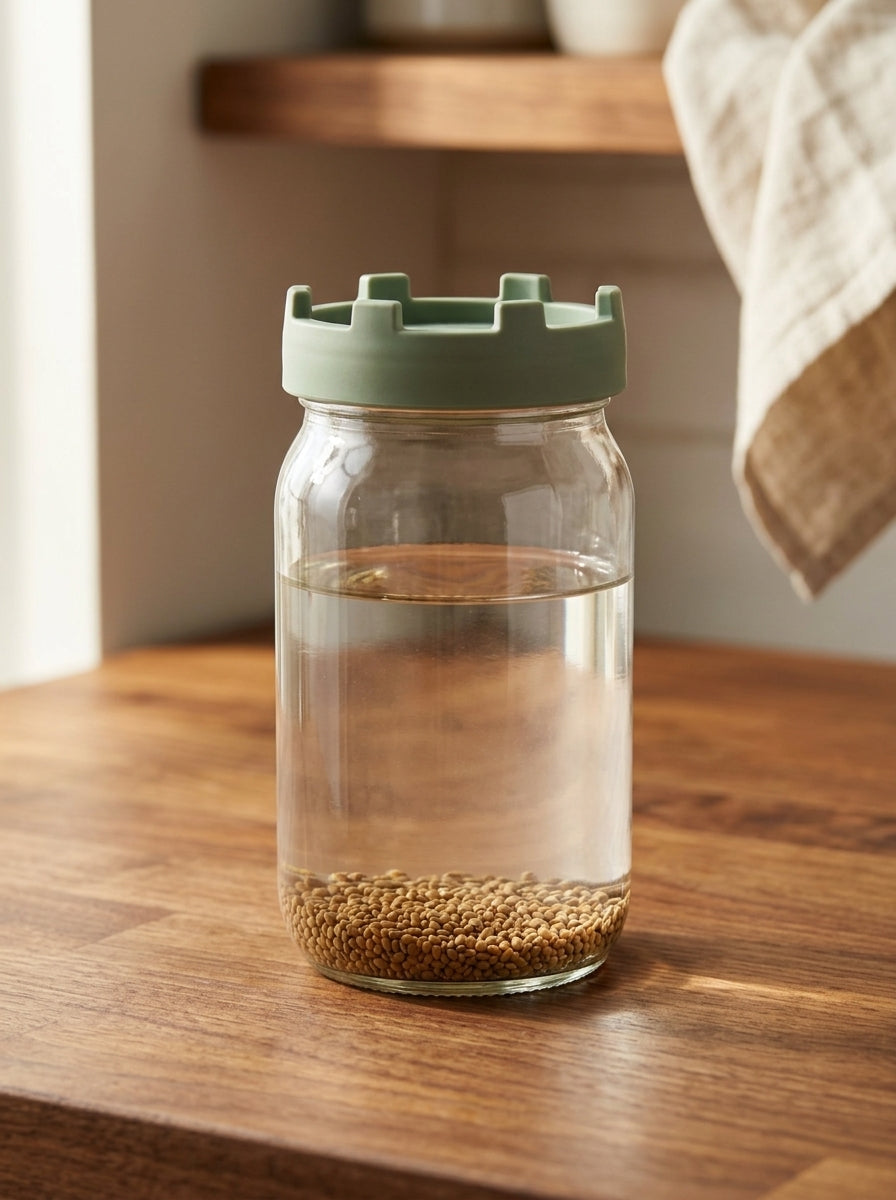
Day 1 — Add seeds. Rinse once.
DAY 1
Add seeds. Rinse once.
A tablespoon of seeds goes in. Soak eight hours.
Day 2 — Drain. Tiny roots appear.
DAY 2
Drain. Tiny roots appear.
Invert the jar. The feet hold it. Water drains, air flows.
Day 3 — Shoots appear.
DAY 3
Shoots appear.
Rinse twice a day. Thirty seconds. Keep on the counter.
Day 4 — First green.
DAY 4
First green.
Sunlight for a few hours turns them bright green.
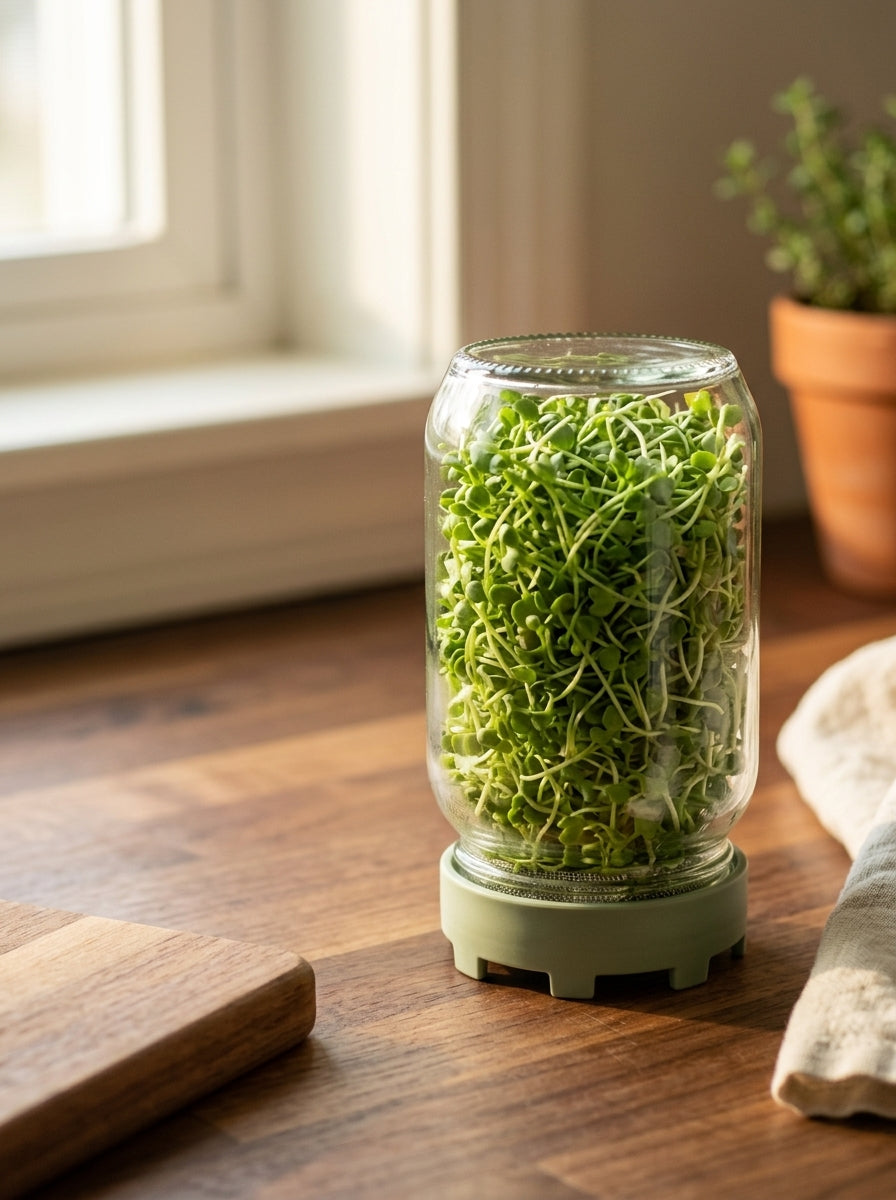
Day 5 — Full jar. Ready to eat.
DAY 5
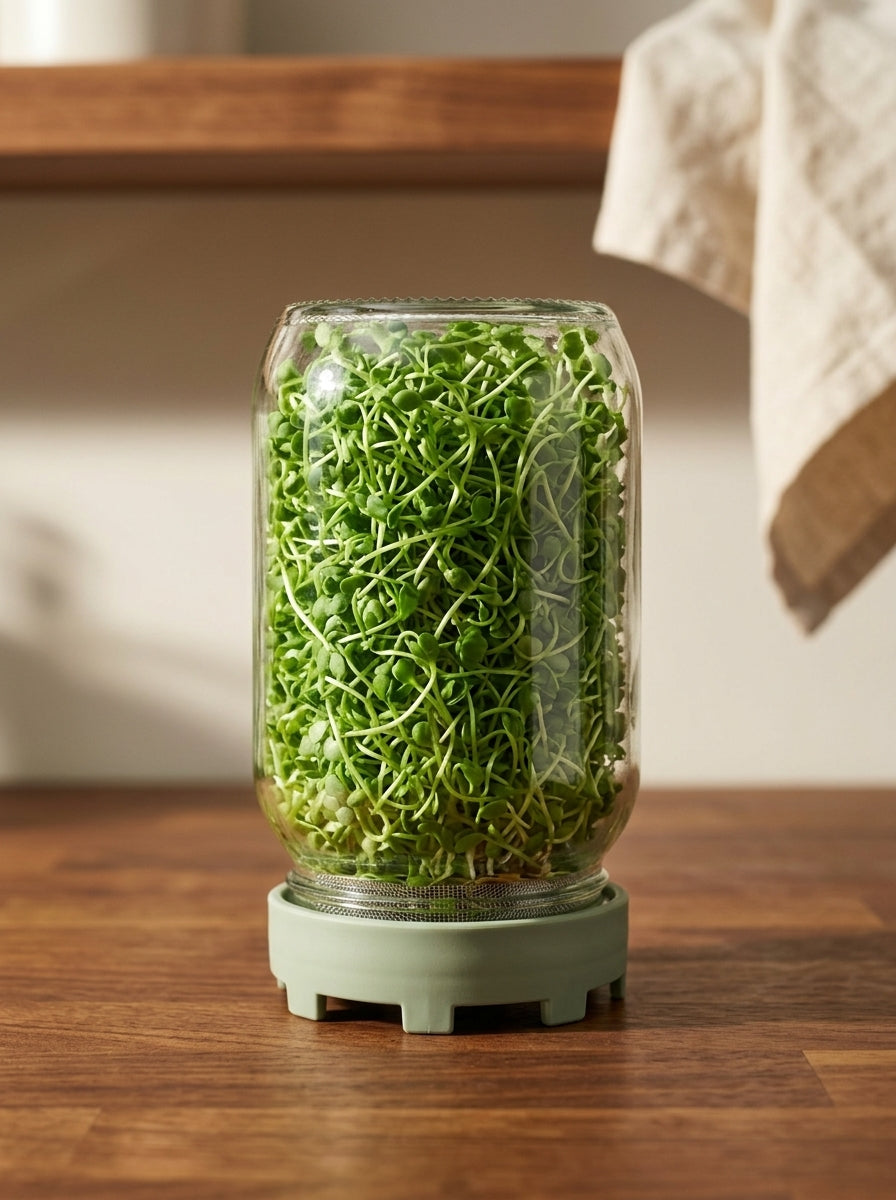
Full jar. Ready to eat.
Pile onto toast, tacos, eggs. Or eat them straight from the jar.
LIVING VS. DYING

Store-bought greens start dying the moment they're picked. A jar of sprouts stays alive until you eat it.
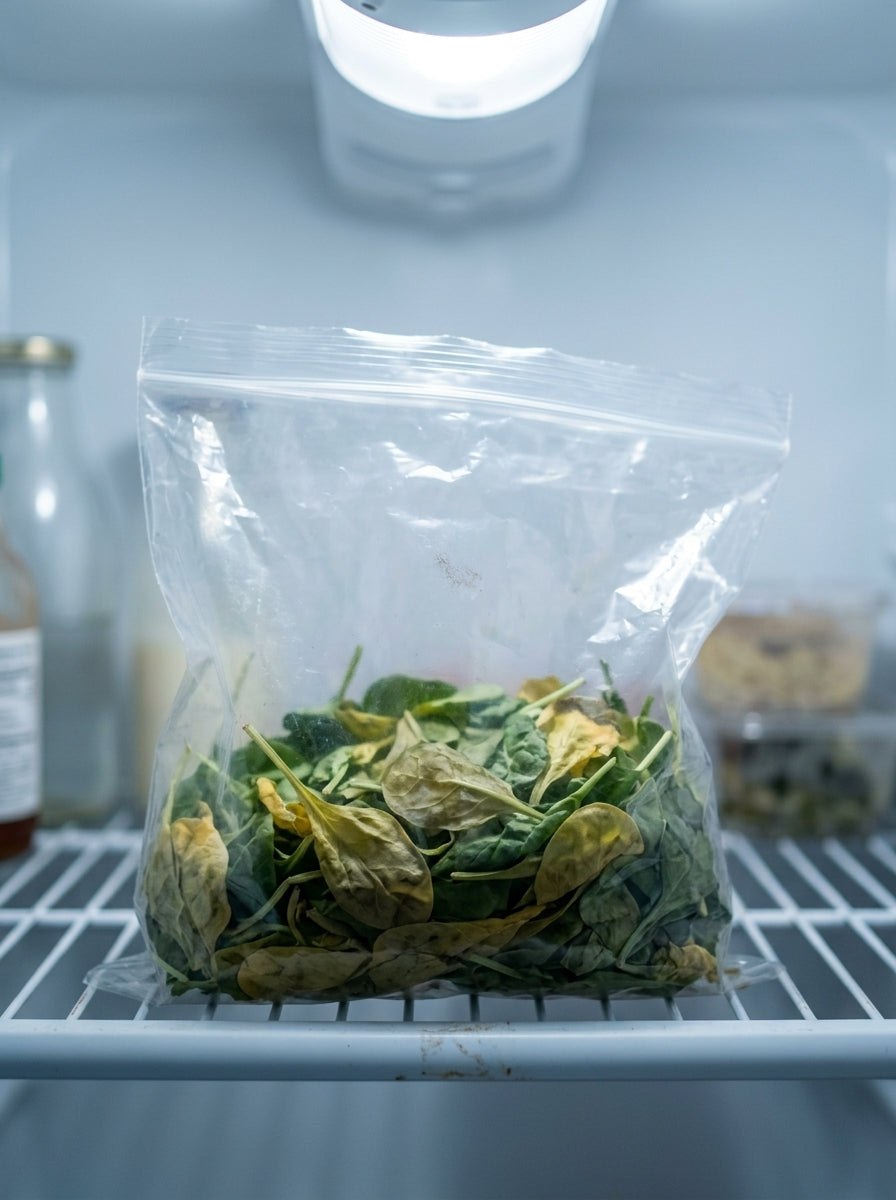
Wilted bag of grocery-store greens in a fridge drawer
THE BAG

$15 a week on greens that wilt by Wednesday. Half ends up in the trash.
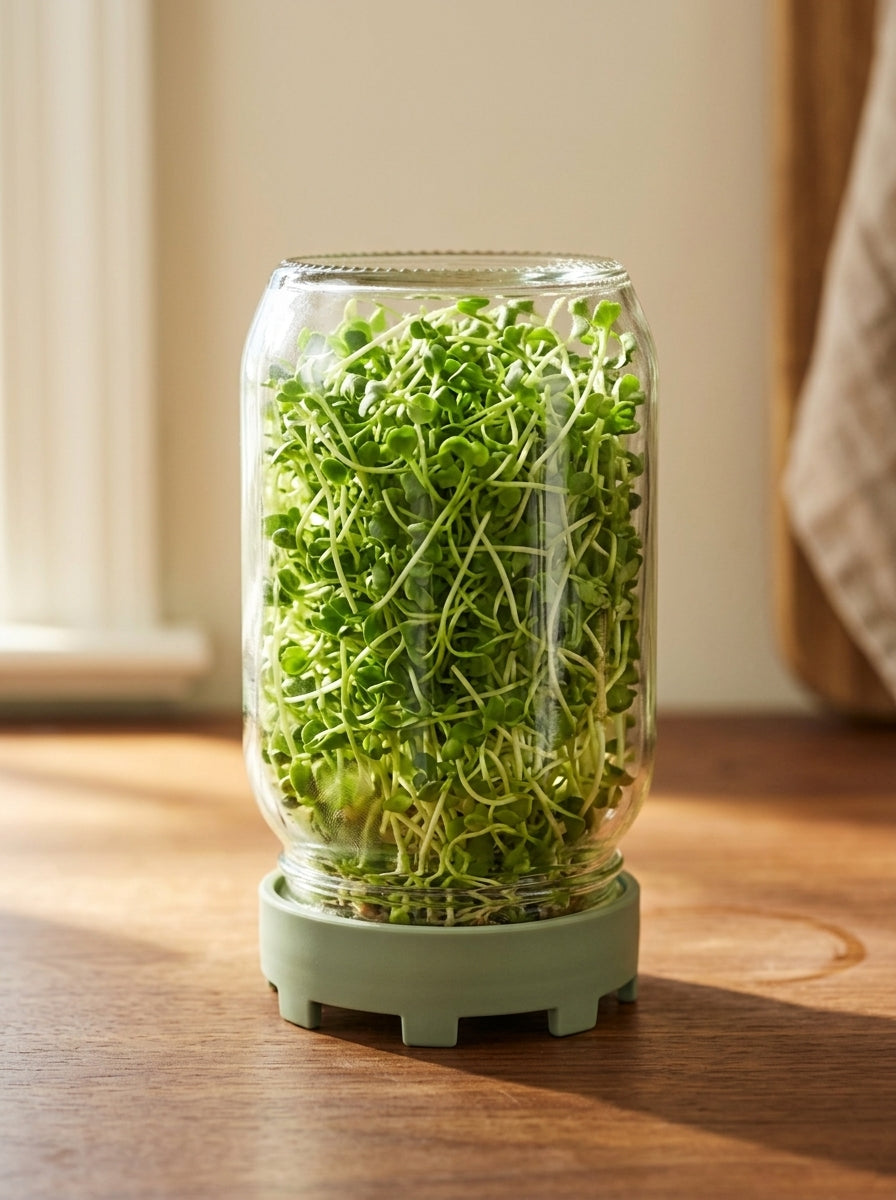
Elementi jar of bright living sprouts on a counter
THE JAR

A spoonful of seeds. Five days on your counter. A jar full of food that's still growing the morning you eat it.

THE MATH

The freshest food in your kitchen is also the cheapest.
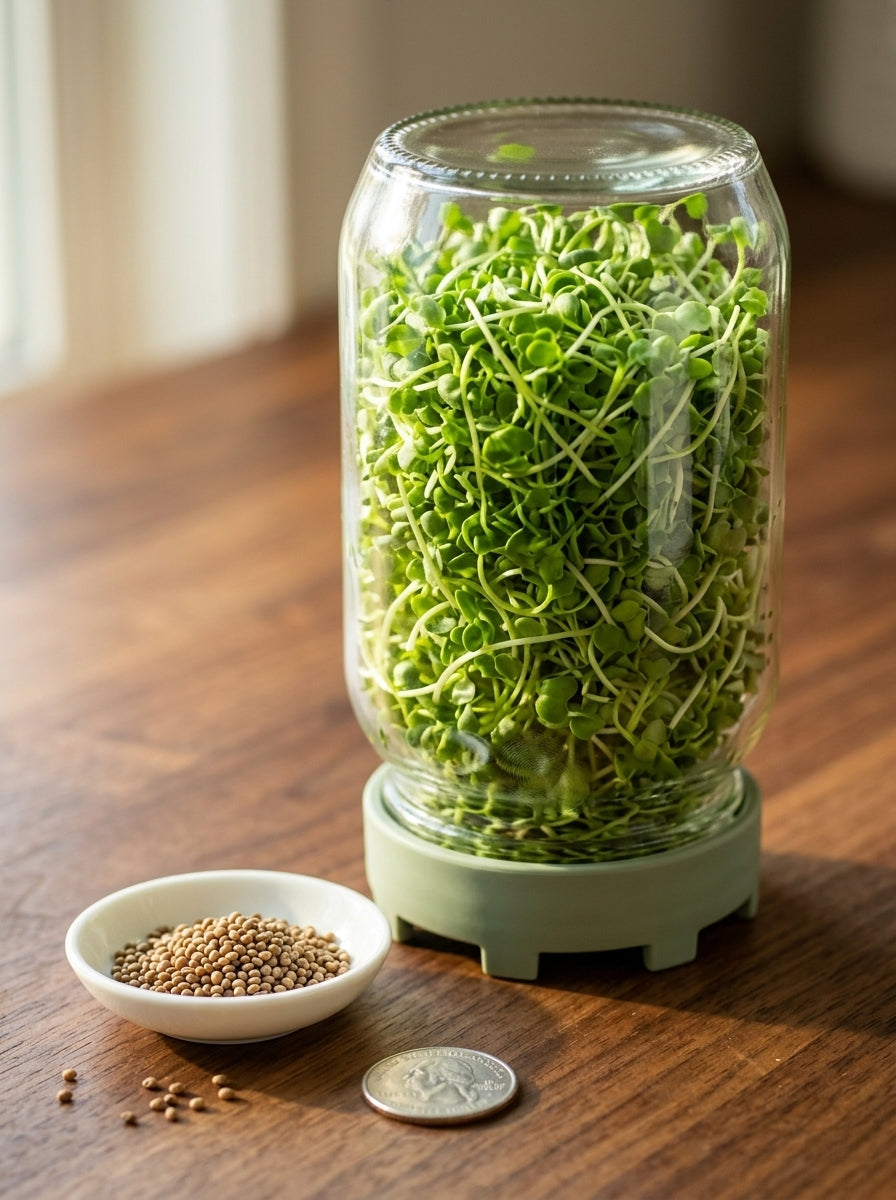
Full jar of Elementi sprouts beside a quarter on warm wood
$0.25
ONE TABLESPOON OF SEEDS

That's one tablespoon of seeds. Five days later, it's a jar of fresh food.

A jar of fresh food for less than a pack of gum. And you grew it yourself.

THE KIT

Two jars. Two lids. Fresh food forever.

The lid and the jar, made for each other.
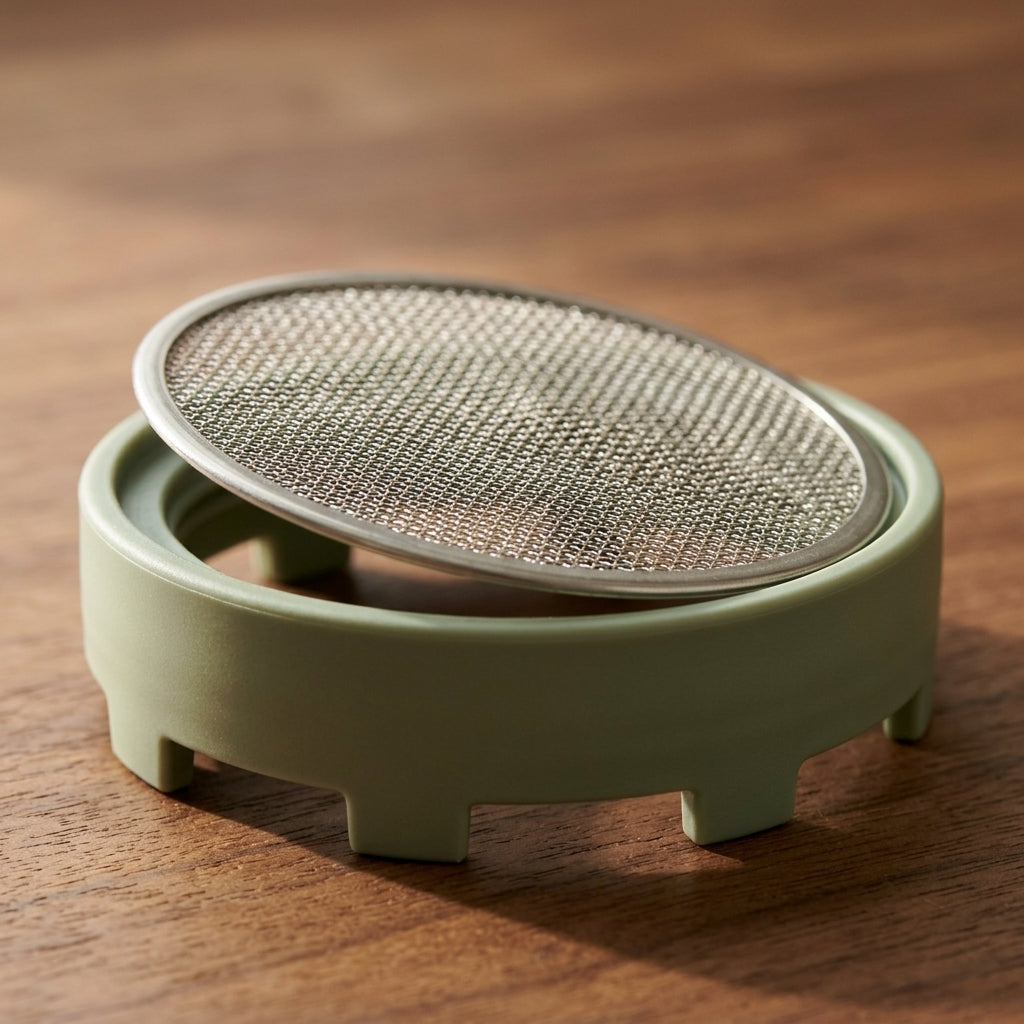
316 stainless-steel mesh
01

316 stainless-steel mesh

Pops out of the collar so you can actually clean it. Stainless steel — no plastic on your food.

Removable · Dishwasher safe
Inverted drainage design
02

Inverted drainage design

Flip the jar. The feet hold it up. Water drains out while air flows in.
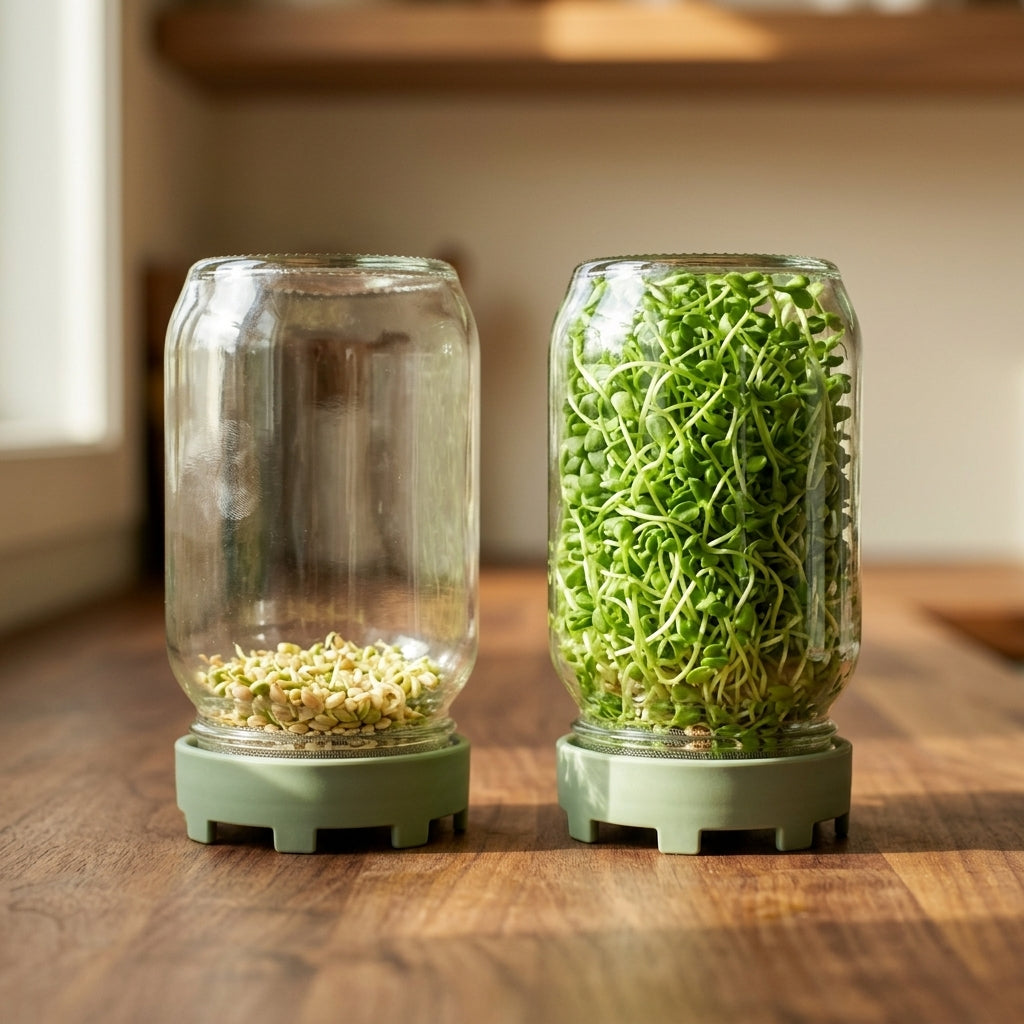
Stands on the lid · Constant airflow
Two wide-mouth jars
03

Two wide-mouth jars

Start one on Monday. Start the next when the first is ready. A fresh jar every few days.
16 oz each · Glass
The hardware, ready to go
04

The hardware, ready to go

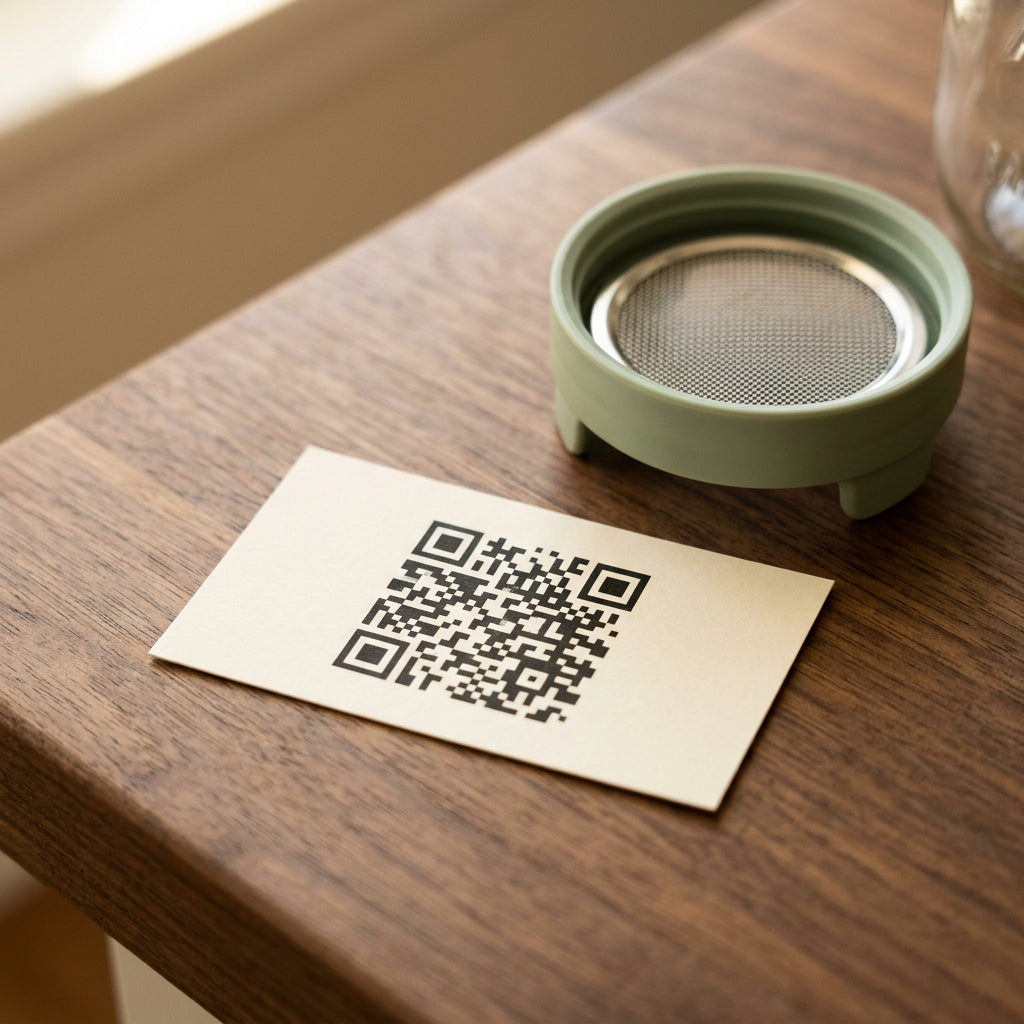
Two jars, two lids, and a digital Quick Start Guide.

Ships free · 30-day returns
WHAT'S IN THE BOX

Two jars. Two lids. One digital Quick Start Guide.

Two pieces, both designed for the job. Food-grade soda-lime glass jars — wide-mouth, top-rack dishwasher safe, made to live on your counter for years. Food-grade 316 stainless mesh and a BPA-free collar with drainage feet — engineered for continuous sprouting.
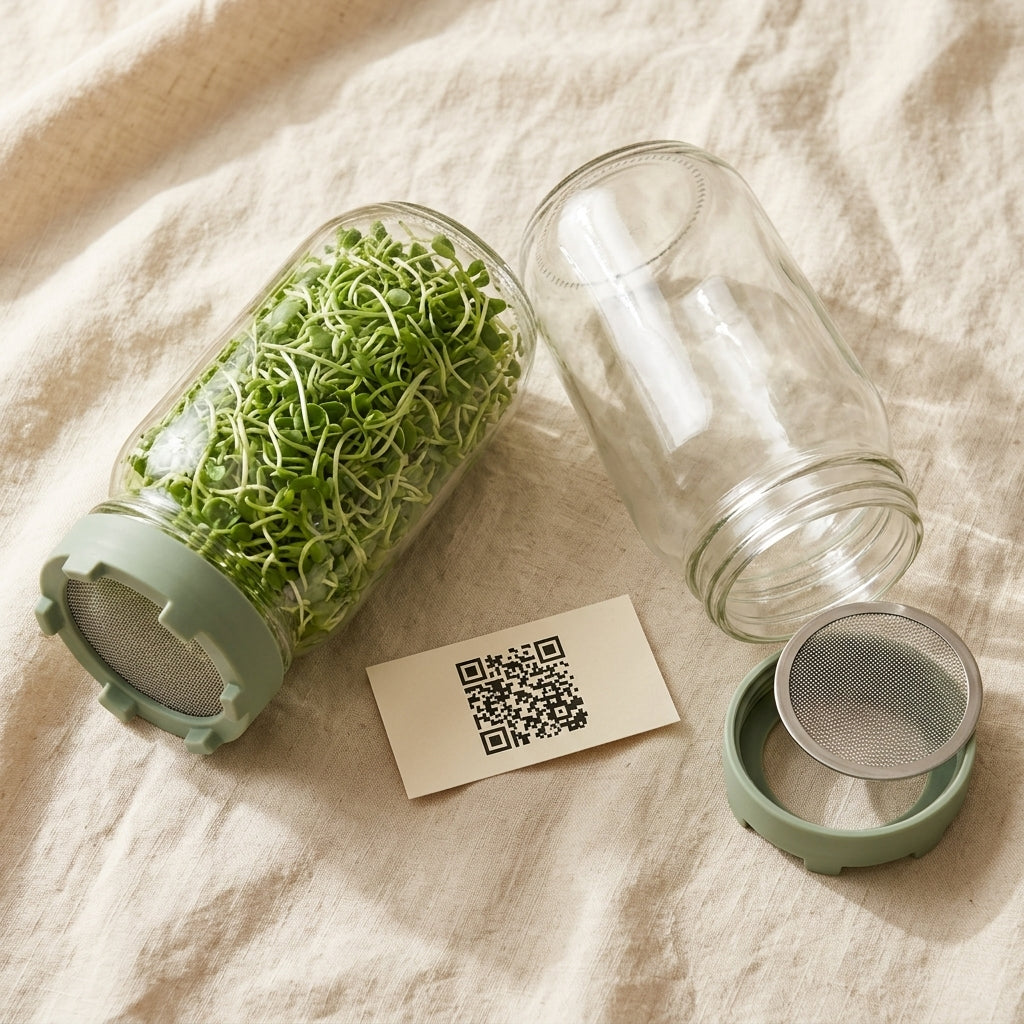
Elementi Sprouting Jar Kit — two jars, two sprouting lids, and a QR card laid out on linen
THE TOPPING

A handful on almost anything.

You don't cook sprouts. You put them on the food you already eat — toast, tacos, eggs, bowls. The jar is the default topper, not a recipe project.
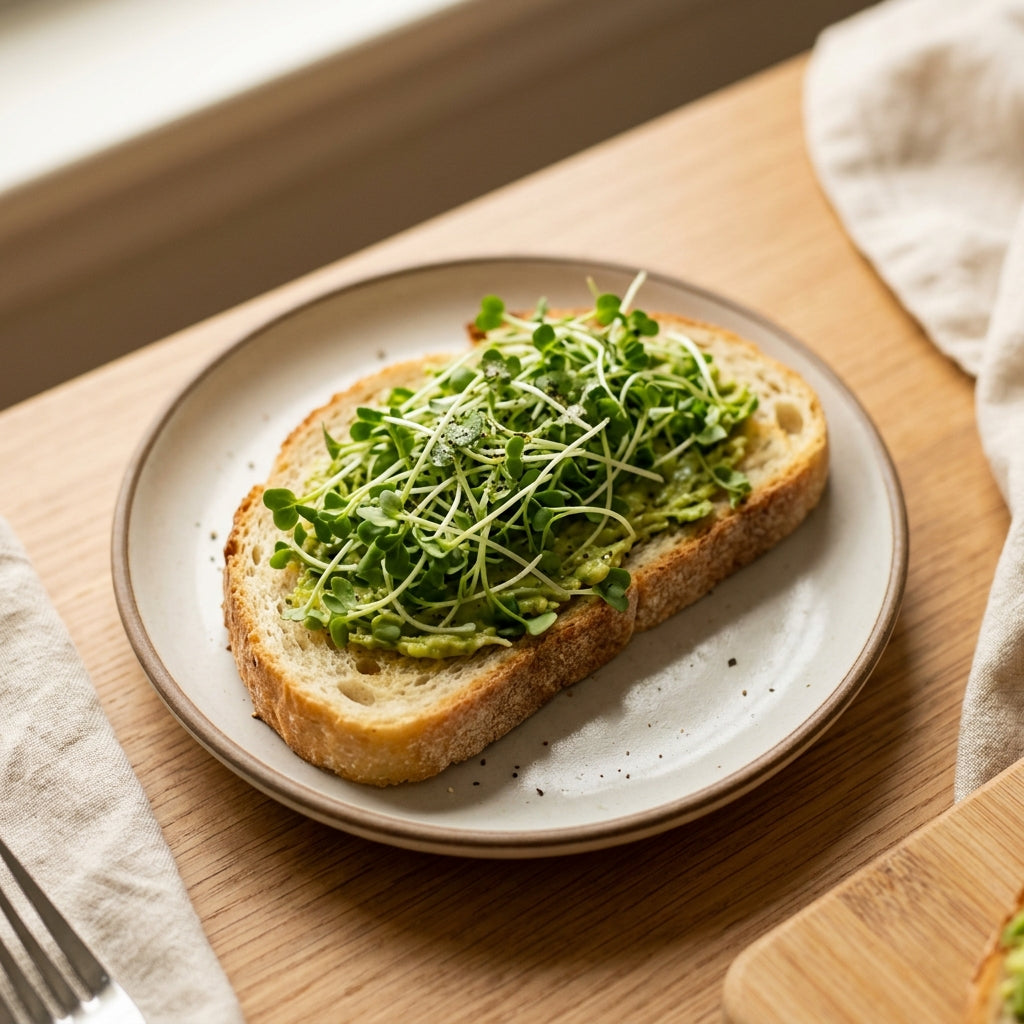
AVOCADO TOAST
AVOCADO TOAST
A handful on top — the peppery kind works.
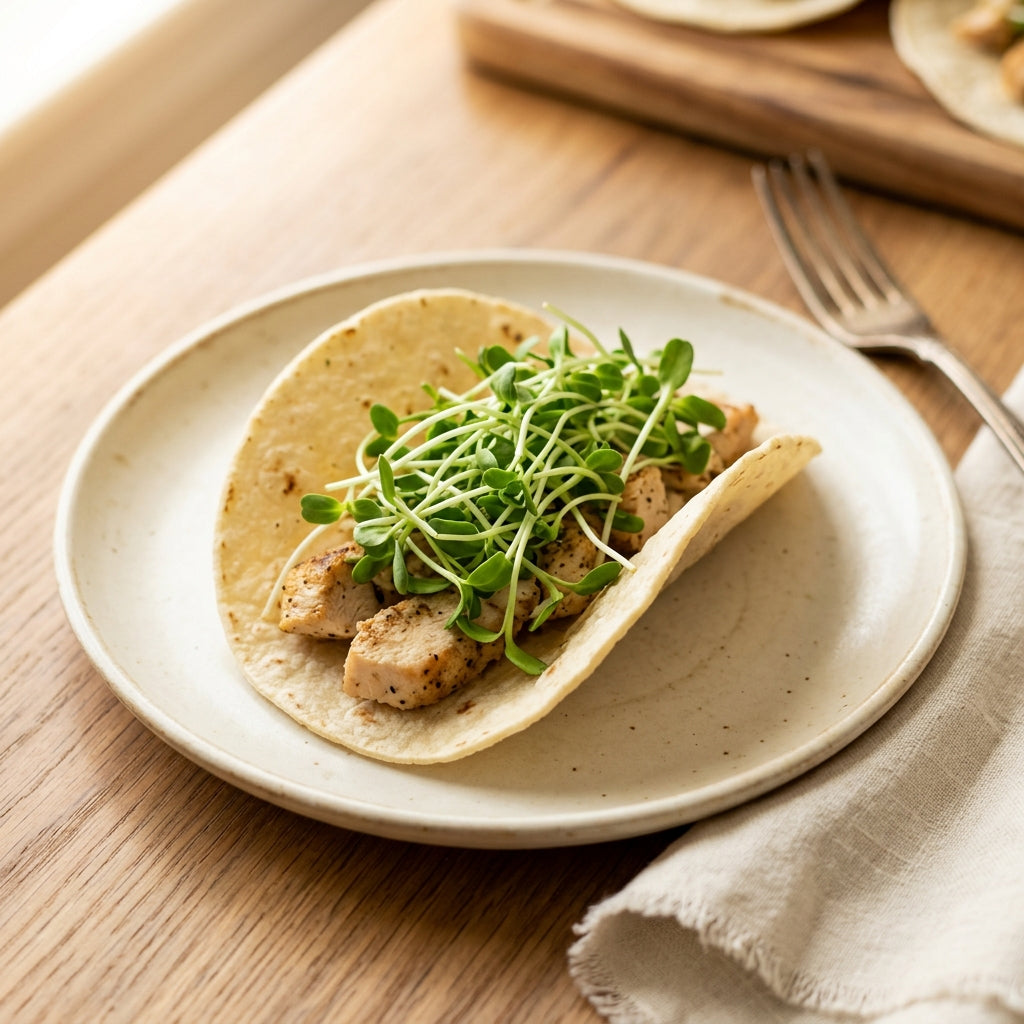
TACOS
TACOS
Instead of lettuce. Fresher, crunchier, easier to keep around.
EGGS
EGGS
On scrambled, on fried, on avocado-and-eggs. Thirty seconds, done.
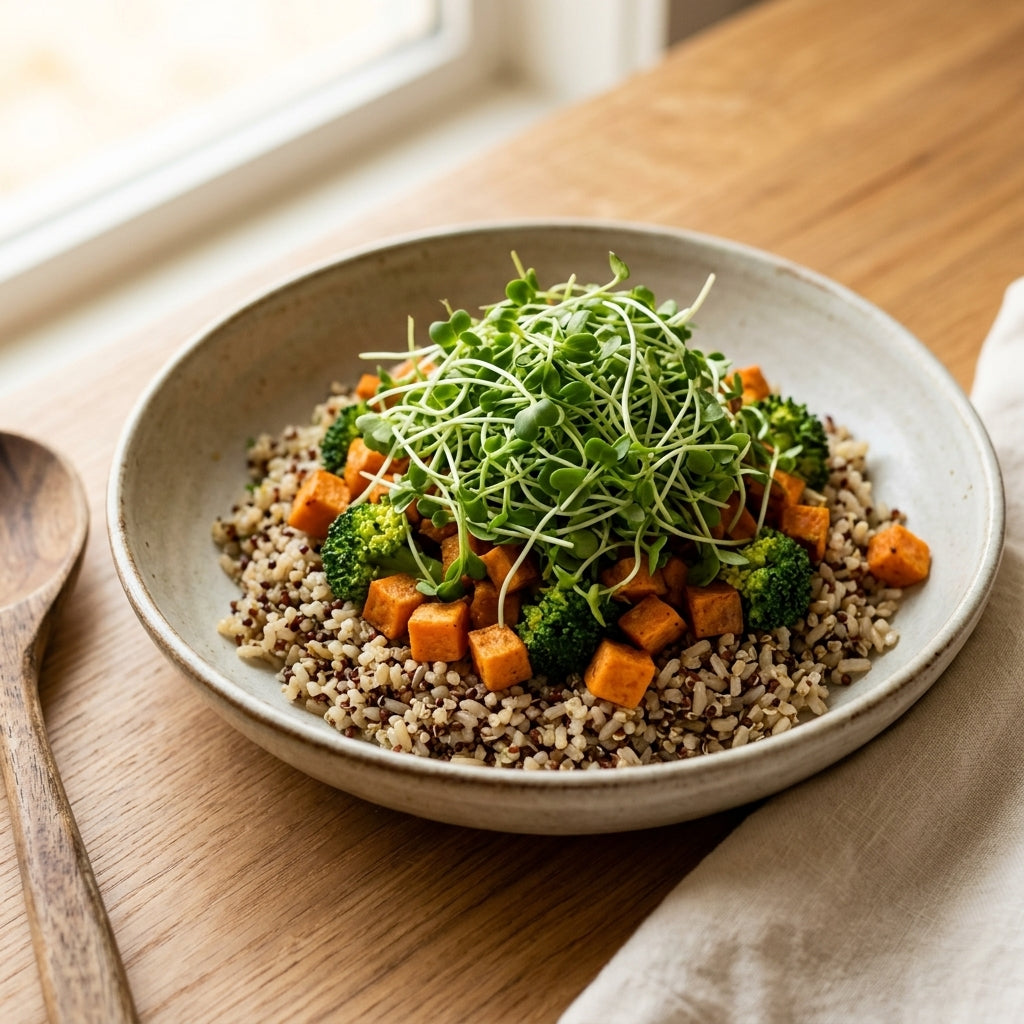
GRAIN BOWLS
GRAIN BOWLS
The fresh layer that wasn't in the fridge yesterday.
4.7
BASED ON 800+ VERIFIED REVIEWS

Reviews from home sprouters, most of whom had never grown anything before.

Click a row to filter

2
1

Show

Loading reviews…

BEFORE YOU ORDER

Still on the fence?

The questions most people ask right before their first batch.

How much time does this take?
About 30 seconds, twice a day. Rinse the jar, invert it to drain, walk away. That's all.
What if my first batch doesn't work?
Most first batches work. Why? The seed is on your side. Sprouting is what a seed is built to do. All it needs is water and a little warmth. Your job is mostly to stay out of its way. The routine is short and forgiving: rinse, drain, invert, walk away. The variables that matter are soak time, room temperature, fresh water, and a clean jar — get those right, and the jar takes care of itself. If it turns out sprouting isn't your thing, the 30-day guarantee has you covered.
Is sprouting at home actually safe?
The food-safety headlines you've seen are almost always about commercial sprouts — grown by the thousand, weeks from harvest, handled by a dozen people before they reach you. Your jar is different. You control the seeds, the water, the rinse cadence, and the timing. Fresh seeds, clean jar, rinse twice a day, eat within the week. That's the whole protocol, and the quick-start card walks you through it.
I've read that sprouts grow these little white hairs that look like mold — how do I tell the difference?
This one trips up almost every first-timer, and once you've seen both, you can't unsee the difference. Root hairs are a soft white halo right around each seed — fine, even, attached to the sprout, and they disappear when you rinse. Mold is patchy and fuzzy, usually in one spot, often climbing the jar wall, and it smells sour or musty. Sprouts should smell faintly green and fresh. If something looks off in a single patch and your nose agrees, toss that batch and start again. It's rare, and you'll know.
What happens if I forget to rinse them one day?
One missed rinse is almost always fine — give them a good rinse when you remember and carry on. What you don't want is a full day of no water, or the opposite, seeds sitting in a puddle. Both invite trouble. The easiest fix is to stack the rinse onto something you already do twice a day — when the coffee's brewing, when you start dinner. Thirty seconds, and it's done before you've thought about it.
What if I'm gone for the weekend? Do I have to start over every time I leave the house?
No — the fridge is your pause button. Give the jar a good rinse, drain it thoroughly, lay it on its side in the fridge, and growth slows to almost nothing. Three or four days away is no problem. When you're back, rinse, return to the counter, and pick up where you left off. Travel is not the thing that ends a batch.
Do I need special seeds? Where do I buy them?
Yes — you'll want seeds labeled for sprouting specifically, not garden seeds (sprouting seeds are cleaned and tested for raw eating, which matters). Broccoli, alfalfa, radish, lentil — all work beautifully. A bag lasts months and is easy to find at most health food stores or online.
What do sprouts actually taste like?
Nothing like alfalfa tangle from the grocery store. Broccoli sprouts are mild and a little green, good on almost anything. Radish sprouts have a real kick — think the bite of a radish, in a crunchy leaf. Mung bean sprouts are crisp and sweet, the ones you already know from pad thai. Try broccoli first. Most people fall for the radish later.
How do I actually use them?
Like a crunchy topper on almost anything. Toast or avocado — a handful on top, a pinch of salt. Tacos or wraps — swap out iceberg, sprouts hold up better. Eggs or breakfast bowls — scramble them in at the end, or pile on top. Salads and grain bowls — a small handful per bowl. Start there. You'll find your own in about a week.
Once they're ready, how long do they actually last in the fridge?
Three to five days in the fridge, per UConn Food Safety — and honestly, that's the point. You're not stocking a week's worth of greens that slowly wilt. You're growing a jar, eating it over a few days, and starting the next one. The jar goes straight into the fridge on its side — no transfer, no clamshell. Rinse once before eating if they look dry. The wilted-greens problem mostly solves itself.
How much counter space does this take?
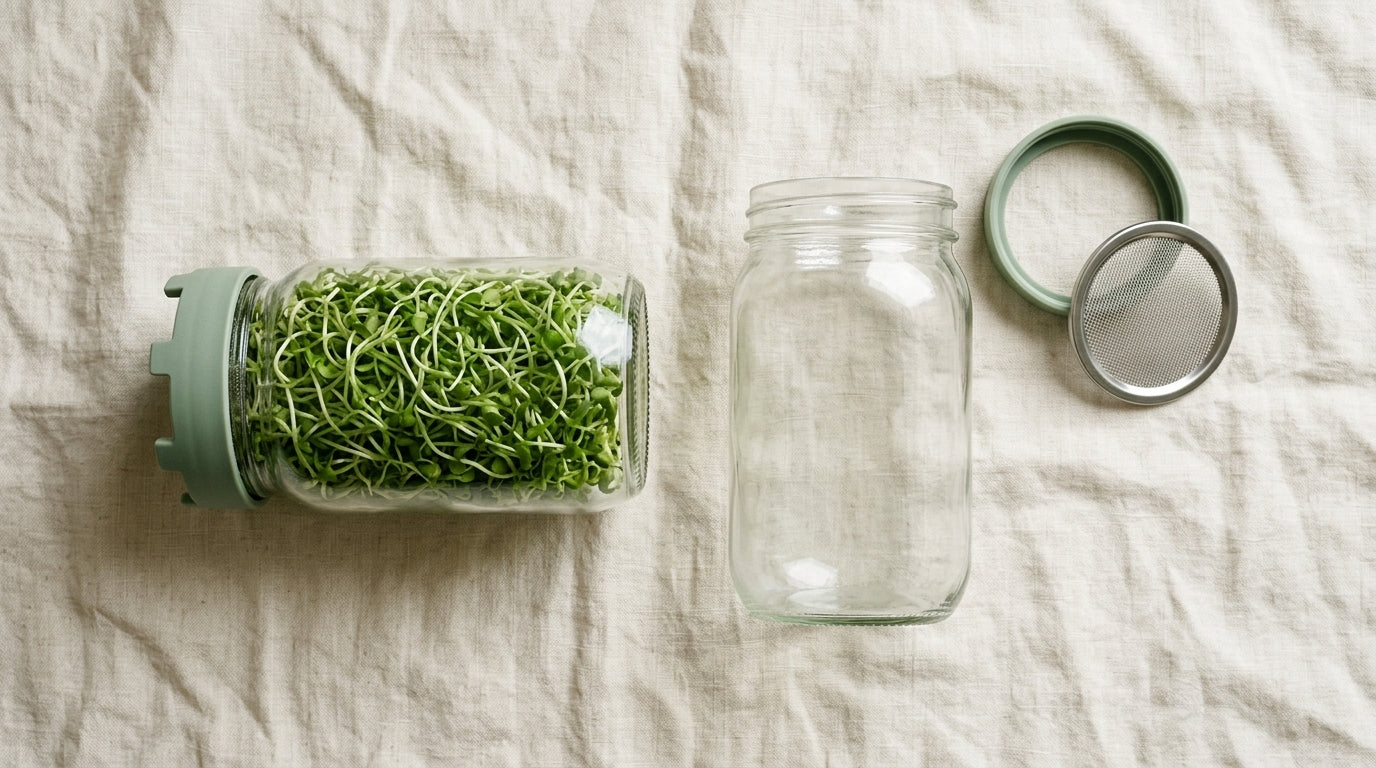
About the footprint of a coffee mug per jar. The two jars sit side-by-side near the sink, where you already rinse dishes. If you have counter space for a drying rack or a paper towel holder, you have space for this.
Kit contents laid out on linen, overhead
START TODAY

Your first jar is five days away.

$39 with free shipping and a 30-day guarantee — keep it or send it back.

Free shipping 30-day guarantee 4.7 · 800+ reviews